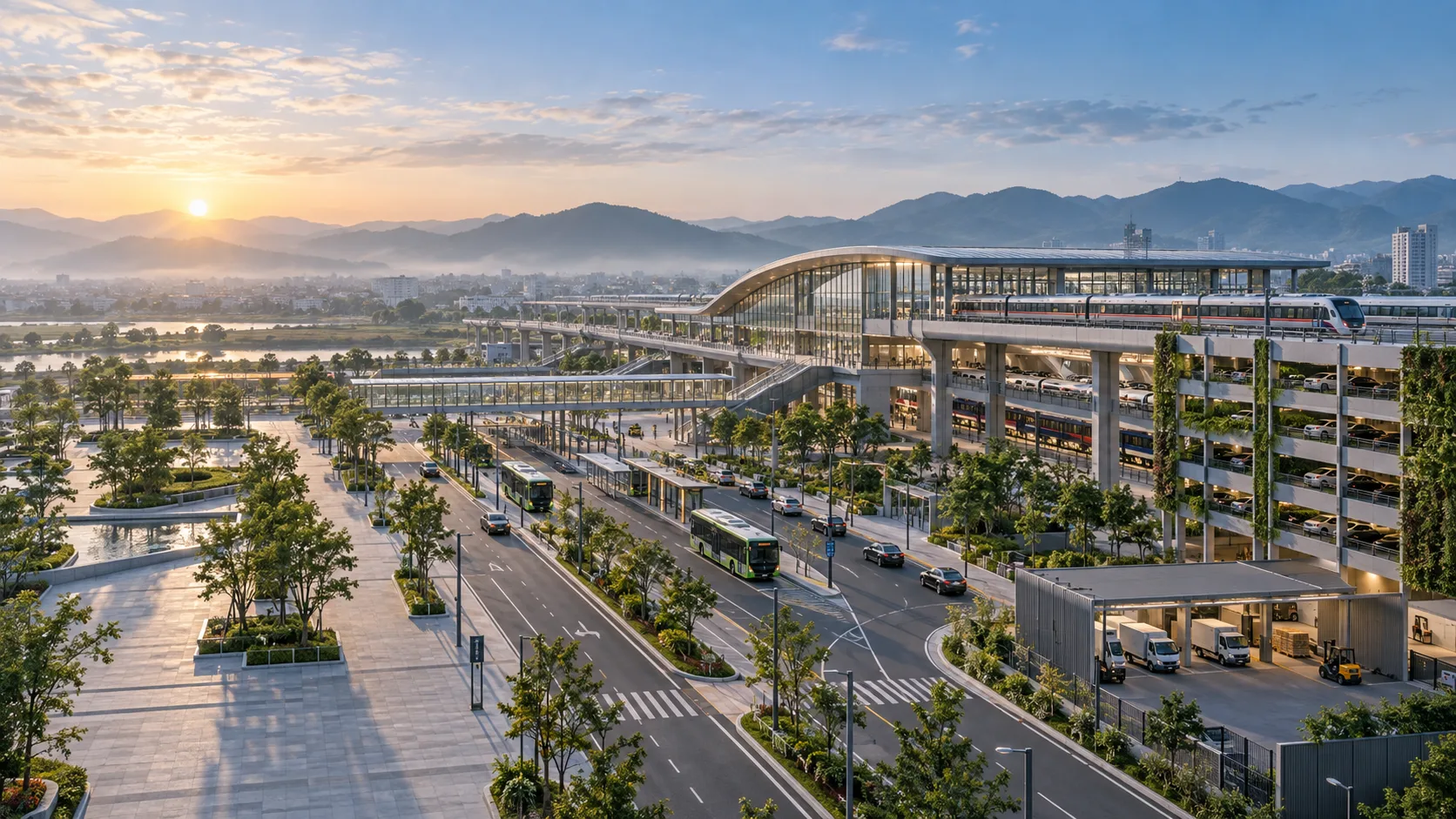
The July 2025 mergers combined many provinces into larger regions. For a logistics-infrastructure developer this changes procedures and counterparts, but not the basic question: where does cargo go from and to, and which port is the hub.
Three filters for a region
- Port cluster: Cai Mep – Thi Vai, Lach Huyen, Lien Chieu, Vung Ang – Son Duong. A specialised asset has to sit within a short truck trip of a liquid terminal, container terminal or freight station.
- The operators' routes: who CF LogX, Long River and CF Energy are carrying for, from where to where — an asset on that route has a tenant immediately.
- Land conditions: ground bearing, utilities, environmental permits, and any free-trade-zone or TOD plan taking shape.
Six regions, three priority levels
Priority 1: Ho Chi Minh City (including Ba Ria – Vung Tau and Binh Duong), Dong Nai, Hai Phong. Priority 2: Hanoi (Ngoc Hoi TOD), Da Nang. Long term: Nghe An – Ha Tinh. The order follows port clusters and tenants, not which province is bigger.
Three free-trade zones
Da Nang, Hai Phong and Cai Mep Ha are being set up under special resolutions. For CF Land a free-trade zone is where specialised assets (export cold storage, ISO depots, energy tanks) get a more favourable regime — but they still pass the three filters above.
If your plot is within a short truck trip of one of the four port clusters above, send the coordinates. CF Land replies within days on which asset class it suits.