Vietnam's ready-built warehouse market already has regional developers with a lower cost of capital than any new entrant. Entering it means competing on price. CF Land chose five asset classes where the barrier is technical and operational.
Five classes, one criterion
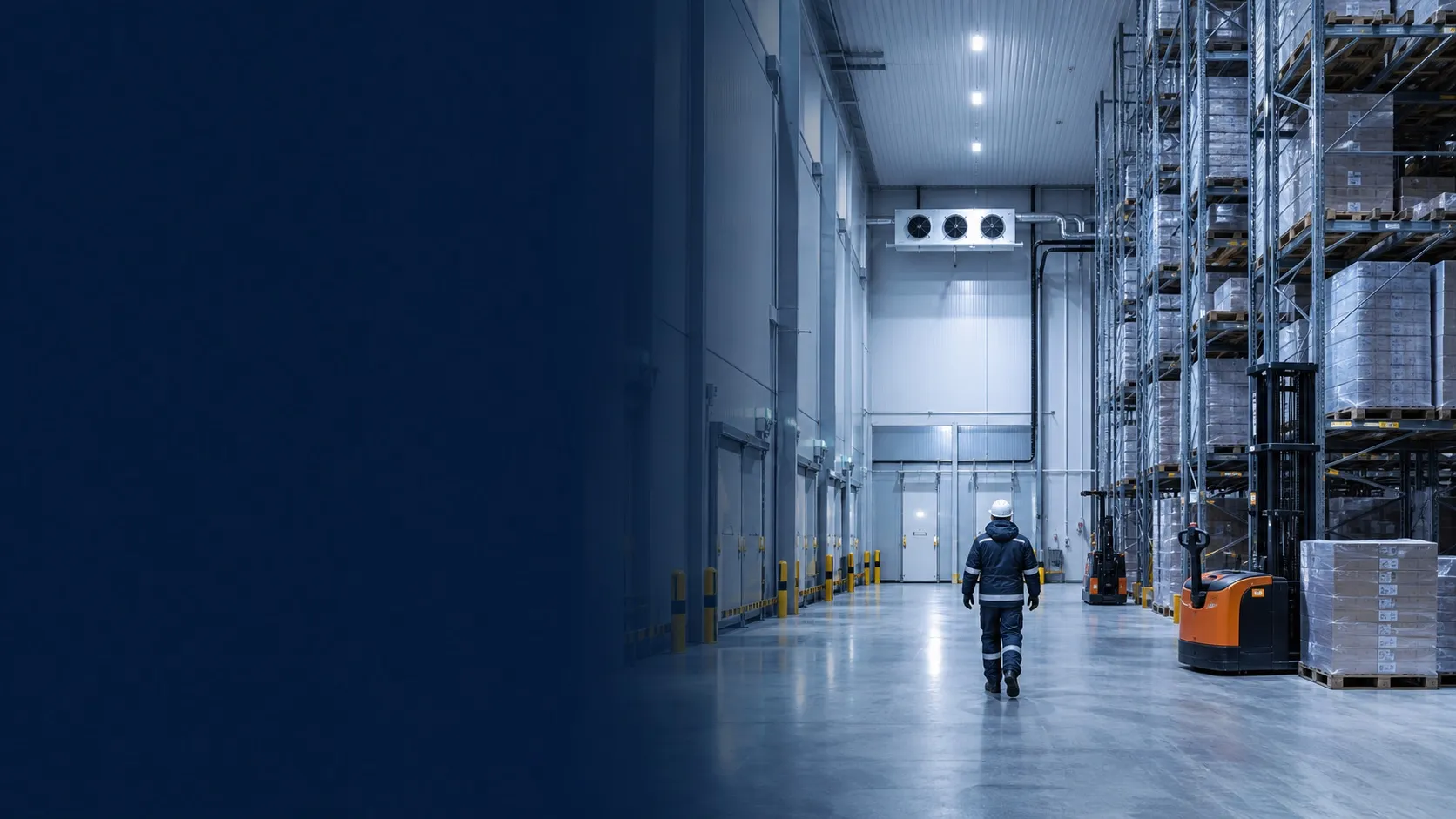
- Cold storage & distribution: multi-temperature, high-bay, automated — one wrong parameter and the whole design is redrawn.
- Ports, depots, ICDs: berths, handling equipment, dangerous-goods procedures — you need a real port operator.
- Tanks, oil & gas, chemical, LNG: separate safety standards, separate inspections, few operators willing to run them.
- Smart parking & TOD infrastructure: mechanical, electrical and software together, small urban plots and tight planning.
- UAV / eVTOL vertiports: a long-term option, awaiting regulation.
The common criterion: each class has an operating company in the ecosystem as committed tenant, or a technology partner already in place.
Specialised but standardised
Specialised does not mean starting from scratch each time. Four or five standard products (modular cold store, ISO depot, bulk berth, multi-storey car park) come with template designs, estimates and contracts. Specialised for the user, standardised in the method — that is how speed is kept without losing margin.
The price of a barrier
Specialised assets are hard to re-let if the tenant leaves. CF Land answers with two things: in-house tenants on long terms, and back-to-back contracts. Without those two, specialisation is risk; with them, it is a moat.
If you need an asset that ready-built developers decline to build, that is usually a sign you are at the right door.